How can I tell whether the website is the problem?
Check who is arriving and what they do next. Search Console lists the searches the site appears for. If those searches are right and the visitors leave without enquiring, the website is failing them. If hardly anyone arrives at all, the website may be perfectly good and simply unseen, which is a marketing problem. Ten minutes in those two reports usually tells you which side of the line you are on.
One more test costs nothing. Open the site on your phone and ask whether a stranger could tell, in a few seconds, what you do, where you do it and why you are worth ringing. A no means the website. A yes, with the enquiries still not coming, points at the marketing.
When is a new website genuinely the answer?
When the faults are in the bones of it. A platform nobody can update, pages that are slow or awkward on a phone, a structure with no room for the services you want to grow, or a design that describes the company you were ten years ago. Bond Brickwork needed a website that showed the scale of contractor it is, so the developers who award packages could see it before ringing, and that is a build job.
The give-away is that the faults sit underneath the words. You could rewrite every sentence on the site and the problem would still be there.
When is better marketing the answer and the site is fine?
When the site is sound and nobody is being sent to it. That is the situation for a fair share of the Bradford firms we meet: a decent website built a few years ago, no search work since launch, no new projects added, no reviews asked for, and a social media feed that stopped some time ago. The site did not fail. It was left to fend for itself.
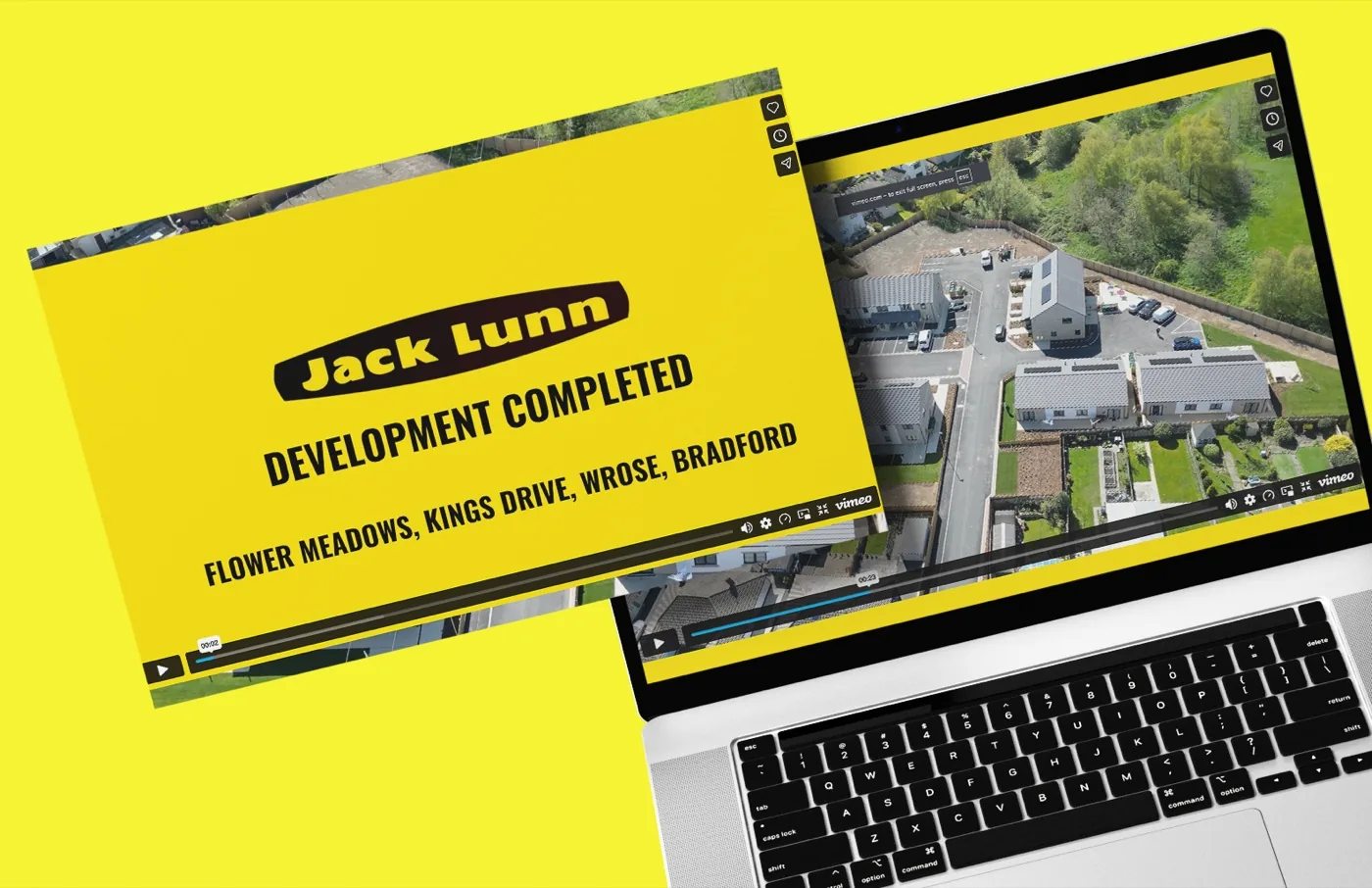
Jack Lunn is the clearest example we have. The gap was evidence and reach: decades of buildings and hardly any of them filmed or shown to the people who award the next contract. Drone and video of live sites, and a strategy for where that footage goes, changed what the company looks like from the outside, and none of it needed a rebuild first.
Can a new website fix a marketing problem by itself?
No. A new website with no search work behind it, no proof gathered for it and no plan for what happens to the enquiries is the old website with fresh paint. It is great to have a site you are proud of, but if no one is sending buyers to it you end up with an expensive brochure. Build it and they will come stopped working online a very long time ago.
The reverse is also true, if anything more so. Marketing that drives the right Bradford buyers to a site that cannot hold them is money spent introducing people to a poor first impression.
What does a joined-up approach look like for a Bradford firm?
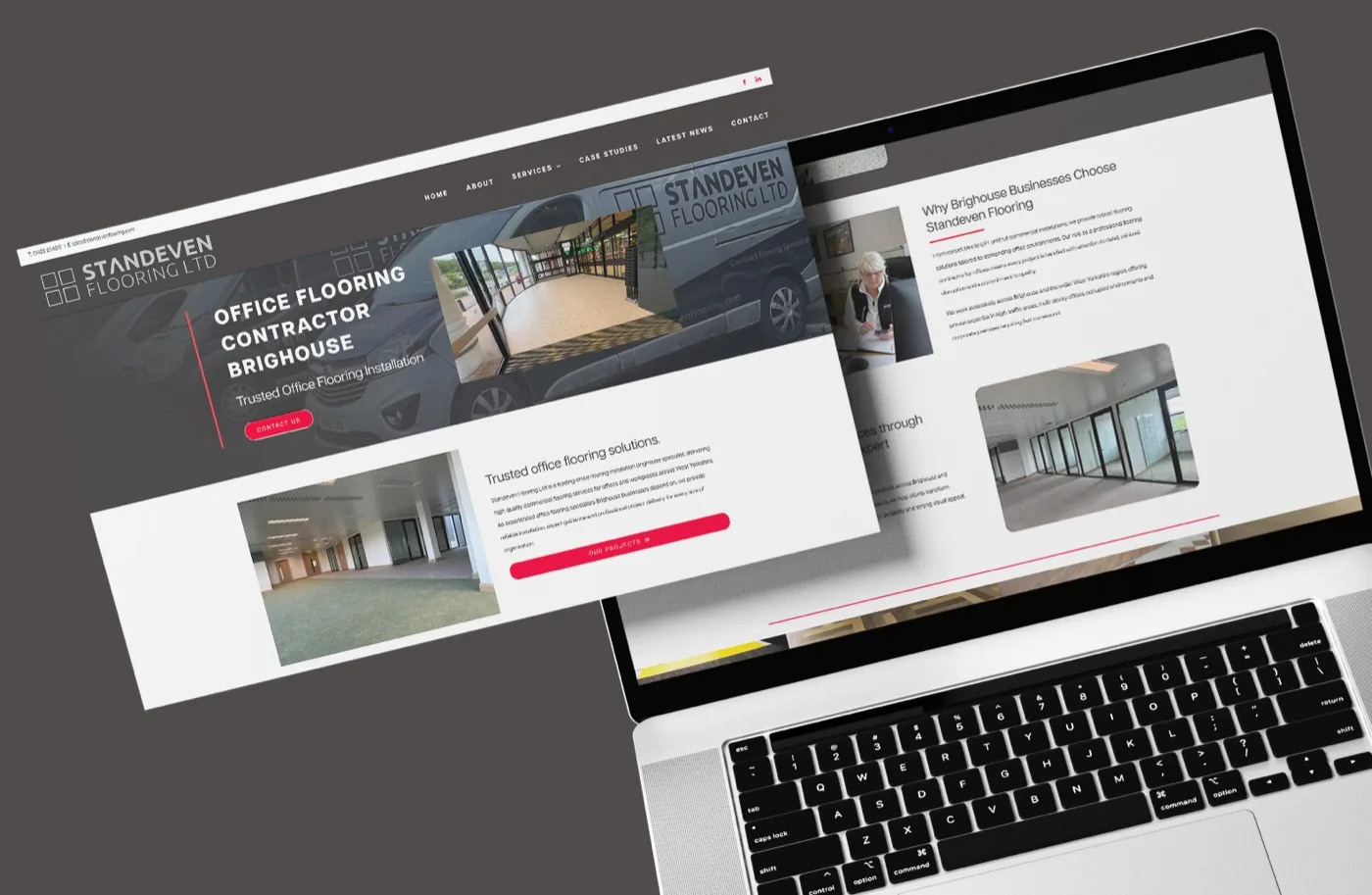
Website, search, content, proof and follow-up planned as one job, even when they are delivered in stages. Standeven Flooring is what that looks like in practice. The website was redeveloped around finished projects, then fed with photography and video shot on site as jobs happened, then supported with ongoing content and search work, so each part made the others worth more. Gareth’s review on this page mentions the site, the support, the footage and the social posts in one breath, which is rather the point.
For a Bradford engineering or manufacturing business the parts are the same and the proof is different: the plant, the finished component, the customers who are happy to be named.
How does Halizona decide which one to recommend?
From the data, and we will tell you if the site you have is fine. Search Console, the analytics, the Google profile and a proper look at the website with a buyer’s eyes come first, and the recommendation comes out of what they show, whether that is a rebuild, a rewrite, search work, filming or a mix. Plenty of our work runs on websites we did not build.
What we will not do is sell a rebuild because it is the biggest ticket. A website that has to be replaced is a website that has to be replaced, and we say so, with the reasons and the price in writing.